Content creation at Sensaria means writing pages that answer what buyers search for and ask AI systems, in the language they use, with facts that hold up. It suits companies whose expertise is real but hard to see online: a manufacturer whose product pages are spec sheets, a consultancy with no published cases, a software company whose help center answers questions nobody asks. We write in English and adapt into German, French and Italian, working from Lugano with companies in Switzerland and abroad.
What types of content do we write?
Website and landing-page copy, SEO articles and expert guides, case studies, product and service descriptions, knowledge-base articles, FAQs and thought-leadership pieces. The format follows the question. A buyer comparing options needs a table and a clear verdict; a user with a problem needs steps; a decision-maker needs a case with context, constraints and what was built. Length follows the question too, not a word count set in advance.
How is a page or article produced?
Every piece goes through thirteen steps in a fixed order. Research and a written brief come before any drafting, and your expert’s input comes before the draft. A human edit, a fact check and an SEO and GEO review follow it, then native localization and proofreading. Published pages are linked into the site and reviewed again later. AI tools may help with the draft, never with the judgment. Skipping a step is how thin or wrong content ends up online.
- Research. Keyword data for each language and market, plus the questions your sales and support teams hear.
- SERP and fan-out analysis. What ranks today, which sub-queries AI engines run and which sources they cite. The method is described on our GEO page.
- Brief. Primary query, intent, an outline with question-form headings, facts to include, sources and internal links.
- Expert input. A structured interview or written notes from the person who knows the subject, usually on your side.
- Draft. Written from the brief and the interview. AI tools may help with structure or a first pass.
- Human editing. Rewriting for accuracy, voice and specifics. Generic sentences are cut.
- Fact check. Every number, date, legal reference and product claim is checked against a primary source and linked where it helps the reader.
- SEO and GEO review. Title, meta description, headings, answer-first passages, internal links and structured data.
- Native localization. Adaptation into German, French and Italian for the target market, Swiss variants included, with keywords researched in each language.
- Proofreading. A final read of every language version.
- Publication. With author, publish date and updated date visible on the page.
- Internal linking. The new page links to related pages and receives links from existing ones.
- Review. We check performance and facts again and update the page when a source, a rule or a price changes.
Do you use AI to write content?
Yes, as a drafting aid, never as the author. AI speeds up outlines and first drafts, but it also invents facts, flattens voice and repeats what already ranks, so nothing goes out without human editing and a fact check. Google takes a similar line: generative AI is acceptable when the result is accurate and useful, while producing many pages without adding value can violate its spam policy on scaled content abuse (Google Search Central). We don’t produce mass AI articles.
How do you adapt content for German, French and Italian readers?
We adapt, we don’t translate line by line. Each language version keeps the same facts and structure but gets its own keyword research, its own URL slug and the terms local readers use: “Offerte” in Switzerland but “Angebot” in Germany, “devis” and “PME” in French, “preventivo” and “PMI” in Italian. German for Switzerland uses “ss”, never “ß”, and prices are written CHF 5’000 there and 5.000 € in Germany.
Search behavior differs as well. In our 2026 keyword research, German queries in Switzerland often had five to ten times the volume of the Italian equivalent, so a German page may need more depth, while the Italian page is written for local Ticino intent.
What makes content work for search and AI discovery?
The same qualities serve readers, Google and AI systems: an introduction that answers the question in its first 60 to 120 words, question-form headings each followed by a self-contained answer, tables for comparisons, dated facts with named sources, visible authorship and an updated date.
Original material counts most: your prices, your process, your data, your projects. Competitors can’t copy it, and it gives AI systems a reason to use your page rather than a summary of someone else’s. The technical side, from hreflang to structured data, is covered by our SEO services.
Where does this workflow come from?
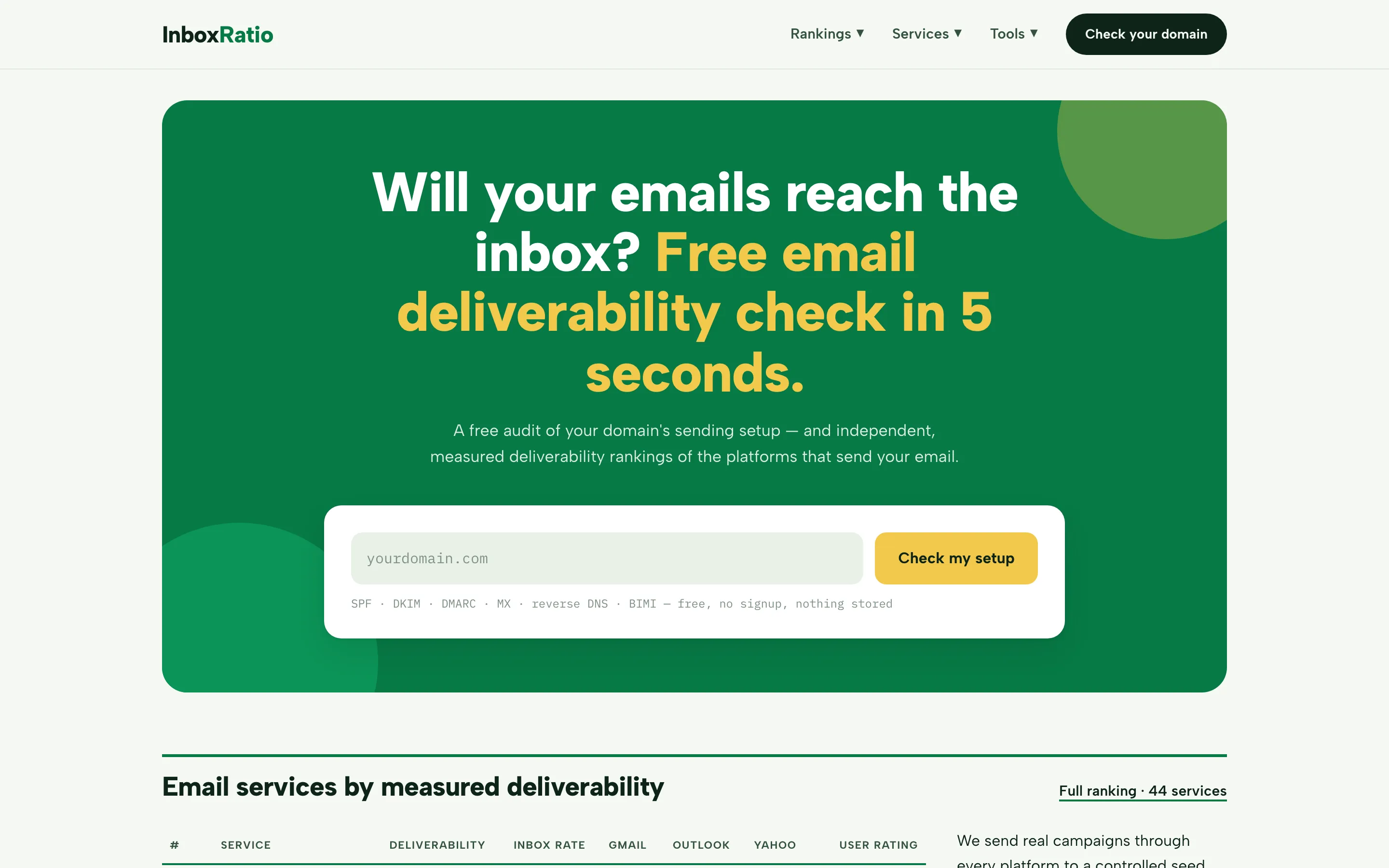
We built it for our own products first. InboxRatio runs on MDX with an editorial calendar and date-gated publishing, and automated tests enforce the length and uniqueness of every title and meta description; in September 2026 it had 40 blog articles and 46 glossary entries live.
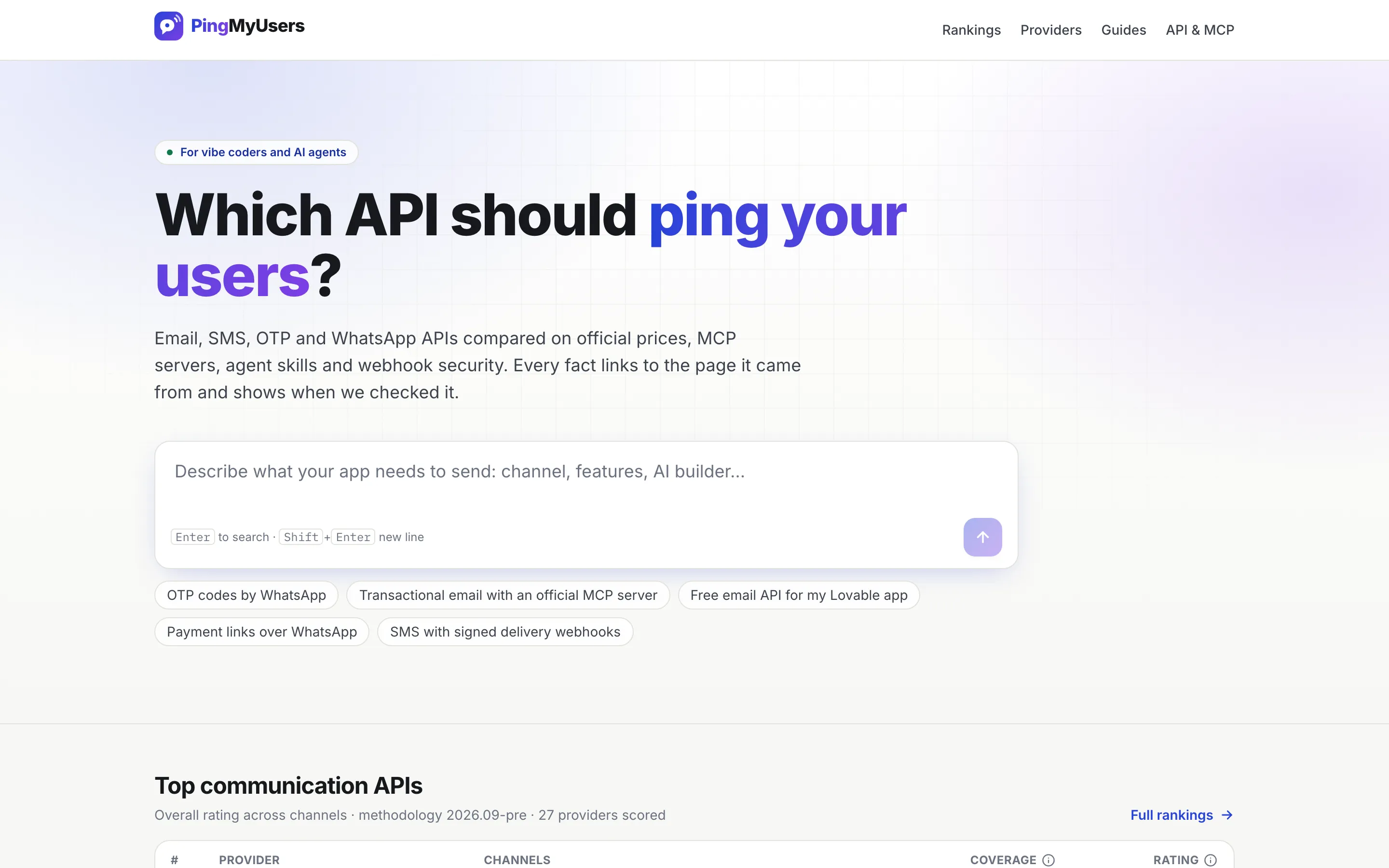
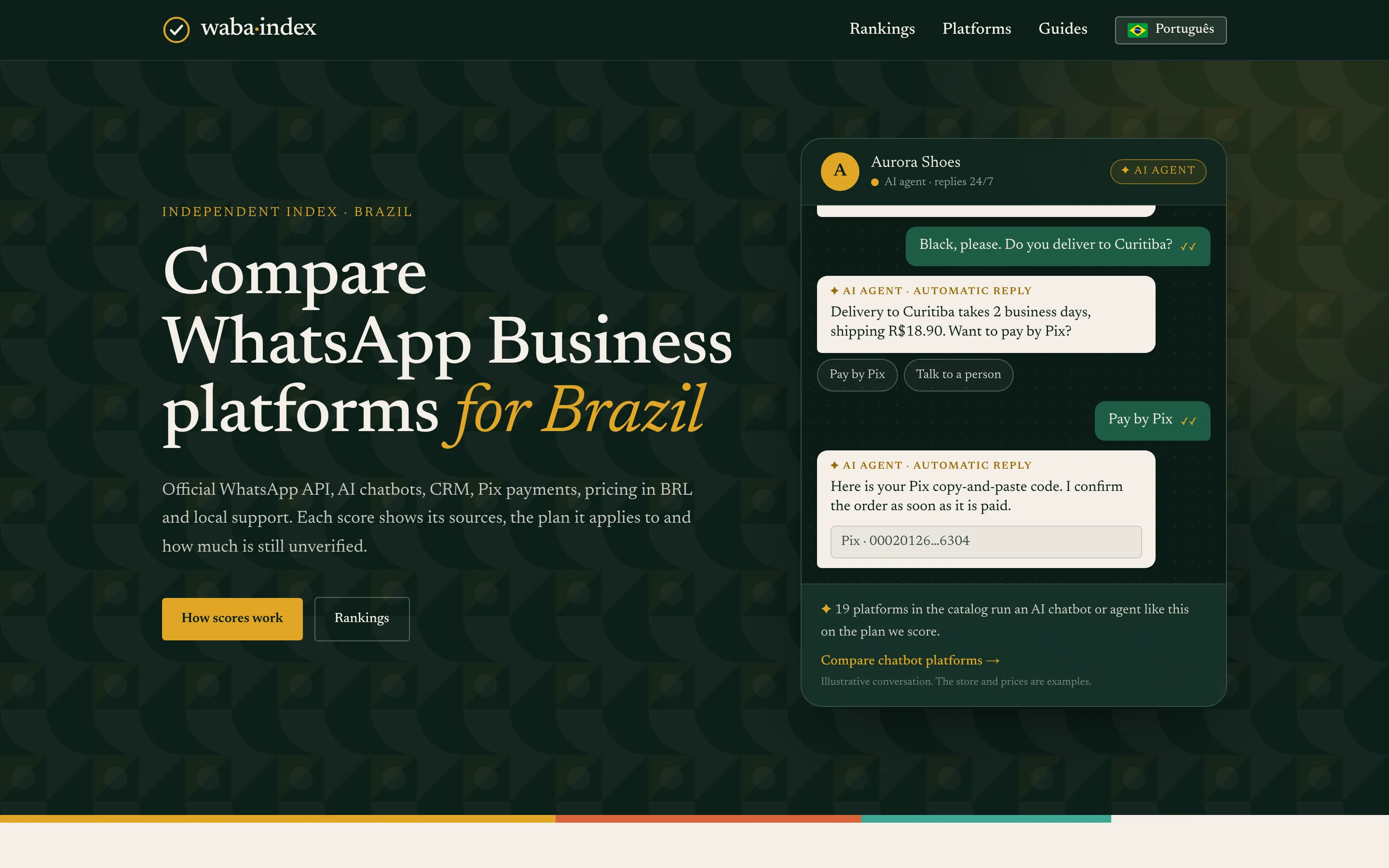
PingMyUsers attaches a source, an evidence level and a check date to every provider fact. WABA Index publishes English and Brazilian Portuguese article pairs, takes every number from its data layer instead of typing it into the text, and runs a Portuguese spell-check before each build.
What drives scope and cost?
The number of pages and languages, how much expert time is available, whether original research or data is needed, and how many review rounds your approval process has. After a short discovery call we propose a fixed price per content package or a phased plan.